Bar Inventory Log Book Template: A Strategic Tool for Better Bar Management
A bar, whether a high-volume nightclub, a craft cocktail lounge, or a neighborhood pub, runs on margins. Every pour, every ounce of spirit, every bottle of wine represents both potential revenue and potential loss. The difference between a profitable operation and one that struggles often comes down to how well you track what moves through your shelves. This is where a Bar Inventory Log Book Template becomes more than just a record-keeping tool—it becomes a strategic asset. Designed for practicality, the Bar Inventory Log Book Interior provides structured pages for recording counts, costs, and consumption patterns. When used thoughtfully, it transforms raw data into actionable intelligence for bar owners, managers, and decision-makers who need real visibility into their operation.
Why a Bar Inventory Log Book Template Matters for Operational Goals
Inventory control is not merely about knowing what you have in stock. It is about understanding your cost of goods sold (COGS), identifying shrinkage, and making purchasing decisions that protect your bottom line. A Bar Inventory Log Book Template gives you a repeatable framework for counting and reconciling inventory on a regular basis. This consistency is what separates a reactive approach—where you run out of key ingredients mid-shift—from a proactive strategy where you anticipate demand and adjust orders accordingly. The Bar Inventory Log Book Interior is specifically organized to capture opening counts, additions, closing counts, and variances. You can see trends over days, weeks, or months without needing a complex software system. For small to medium operations, this manual but methodical approach offers clarity that spreadsheets sometimes lack due to inconsistent formatting. By using the same template each week, you build comparable data sets that highlight shifts in consumption, whether from new menu items, seasonal changes, or staff handling.
Strategic Planning and Forecasting with Inventory Data
Every bar has slow nights and peak seasons. A Bar Inventory Log Book Template helps you plan for both. When you track usage over several weeks, you start to see patterns. Vodka moves faster during summer weddings; whiskey sales spike in colder months. These insights allow you to forecast orders more precisely, reducing both overstock and emergency runs to the distributor. The Bar Inventory Log Book Interior provides space for notes and comments alongside counts, so you can correlate events—like a promotion or a local festival—with inventory movement. This linkage turns inventory logging from a clerical task into a planning tool. For a bar owner looking to open a second location, these records become proof of concept. They show which products generate consistent turnover and which tie up capital. Without such a log, decisions rely on gut feeling or anecdotal evidence from bartenders. With it, you have documented histories that support strategic expansion or menu redesign.
When to Implement a Bar Inventory Log Book Template in Your Routine
Timing matters. The best time to start using a Bar Inventory Log Book Template is when you are already running a bar, whether that is your first month or your fifth year. But the approach should be deliberate. If you are experiencing high variance in your cost percentage, rising spills, or unexplained shortages, the template becomes an urgent diagnostic tool. You might begin with a daily count of high-value spirits and a weekly full inventory using the Bar Inventory Log Book Interior. Alternatively, if you are opening a new bar, using the template from day one sets a baseline. Every product enters the log before it hits the speed rail. This discipline prevents the common early-stage problem of losing track of what was ordered versus what was sold. For seasonal operations, implementing the template at the start of the busy season ensures you capture peak consumption accurately, so when you shut down or slow down, you can scale orders correctly. The key is to integrate it into your existing workflow rather than treating it as a separate burden. Many users find that assigning a single person—preferably a manager or owner—to oversee the log ensures consistency. Relying on shift bartenders alone can lead to gaps or rushed entries. When the template becomes part of the closing procedure, it becomes a habit, not a chore.
Practical Approaches for Using the Bar Inventory Log Book Interior Effectively
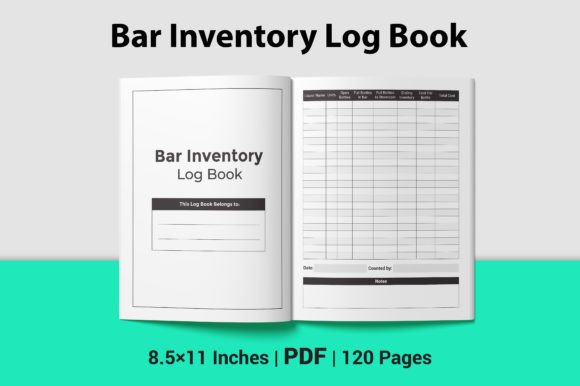
The structured pages of the Bar Inventory Log Book Interior are designed for efficiency. Each entry typically includes fields for product name, unit size, par level, starting inventory, received stock, ending inventory, and usage. To maximize its value, you should avoid partial or estimated counts. Measure every open bottle if possible, or at least use a consistent method like weighing or counting neck tags. The Bar Inventory Log Book Template works best when paired with a standard process: set a regular day and time for inventory, use the same order of shelves each week, and log any breakage, spillage, or comped drinks immediately in the notes column. Over time, you can develop a par system based on your own data. For example, if your log shows you use 12 bottles of a specific gin every two weeks, you set par at that level and order accordingly. This reduces overstock and frees cash flow. Another effective approach is to use the template to track sales velocity per product. If a premium tequila sits untouched for months while a mid-range brand sells quickly, the log provides evidence to delist the slow mover. This kind of decision-making is grounded in numbers, not hunches, and it directly improves profitability. The Bar Inventory Log Book Interior also allows you to spot pricing fluctuations from suppliers. When you record purchase prices over time, you can negotiate better deals or switch brands based on documented cost history.
Risks of Using a Bar Inventory Log Book Template Without Clear Goals
Any tool can become a distraction if used without purpose. The Bar Inventory Log Book Template is no exception. If you begin logging without understanding what you want to achieve, you may end up with a lot of data but no insight. Common pitfalls include filling entries inconsistently, skipping weeks, or ignoring the variance calculations. The Bar Inventory Log Book Interior only provides the structure; it is your discipline that makes it work. Another risk is treating the log as purely historical rather than actionable. If you record counts but never review them before placing the next order, the template becomes an archive rather than a guide. This can lead to missed opportunities to adjust for theft, overpouring, or vendor errors. Additionally, relying solely on a paper template without any cross-checking—like point-of-sale data or purchase invoices—can create blind spots. The goal is to use the template as one part of a broader control system. For instance, if your log shows usage of 10 bottles of whiskey but your POS says you sold only 8 bottles worth of whiskey drinks, you have a discrepancy to investigate. Without a goal to reconcile these numbers, the discrepancy goes unnoticed. Entrepreneurs and managers should also avoid the mistake of assuming the template is one-size-fits-all. While the Bar Inventory Log Book Interior is versatile, you may need to customize fields for your specific product categories, such as juice, mixers, garnishes, or wine by the glass. Failing to adapt the log leads to incomplete tracking. The risk is not in using the template itself, but in using it passively. Intentional, goal-driven use is what turns the template from a form into a profit center.
Decision-Making Guidance for Selecting and Using Your Bar Inventory Log Book
You are likely considering different formats and page counts. The standard dimensions of 8.5 x 11 inches offer ample space for detailed entries without feeling cramped. The Bar Inventory Log Book Template with 100, 110, or 120 pages allows you to choose a volume that matches your frequency. For a bar taking weekly inventory, 100 pages covers nearly two years; for daily counts, 120 pages lasts about four months. The decision depends on how deep you want to go. Select a page count that aligns with your intended cadence rather than a random number. Also consider that the interior is no-bleed, meaning the print is clean and professional without extending to the edge—perfect for standard home or office printers. The PDF files are ready for Amazon KDP uploading, so you can publish instantly without formatting concerns. The high-resolution files ensure that every line and column prints sharply, even after multiple copies. When choosing, think about whether you need the template for a single bar or multiple outlets. If you manage several locations, you may want separate logs for each, or a combined log with sections. The Bar Inventory Log Book Interior is designed as a blank canvas, but you can adapt it by writing headers that match your needs. The key is to start with a plan: set a target cost percentage, define a review schedule, and commit to logging every week without exception. Once you make that decision, the template becomes a reliable partner in your daily operations.
Long-Term Value: How Consistent Inventory Documentation Supports Brand and Customer Experience
Beyond the immediate financial control, a well-maintained Bar Inventory Log Book Template contributes to your bar’s reputation and customer experience. When you have accurate inventory data, you can ensure that popular drinks are always available. Nothing undermines customer trust faster than telling a guest you are out of their favorite beer or spirit. By tracking usage patterns, you prevent stockouts and maintain a consistent offering. The log also supports consistency in drink quality. If your bartenders know that every pour is accounted for, they are more likely to follow standard recipes. Over time, this builds a brand known for reliability. From a strategic perspective, the data from your log can inform menu pricing. If a cocktail costs more to make than it returns in profit, the log will show you the ingredient cost per serving. You can then adjust the price, reduce the pour, or replace the ingredient. This kind of fine-tuning separates a good bar from a great one. For educators and trainers, the Bar Inventory Log Book Interior serves as a teaching tool for new managers or assistant managers. It provides a clear, repeatable process for learning accountability. Freelancers and consultants who advise bar businesses can recommend this template as a low-cost, high-impact first step for clients who need to tighten operations without investing in expensive software. The log is print-ready, downloadable instantly, and compatible with PDF, AI, EPS, and JPG formats, making it flexible for both printing custom copies and editing digitally. The long-term value is cumulative: each entry adds to a dataset that reveals your bar’s rhythm, vulnerabilities, and opportunities.
Whether you are an entrepreneur launching your first bar, a seasoned operator looking to reduce waste, or a publisher seeking interior content for Amazon KDP, the Bar Inventory Log Book Template offers a proven structure for inventory management. The Bar Inventory Log Book Interior is designed with practical fields that encourage consistency and analysis. By using it intentionally—with clear goals, regular reviews, and a willingness to act on the data—you turn a simple log into a strategic driver of profitability, efficiency, and customer satisfaction. The decision to adopt the template is the first step; the discipline to use it week after week is what delivers results. Download your copy, set your inventory schedule, and begin tracking with purpose. Your bar’s bottom line will reflect the effort.